
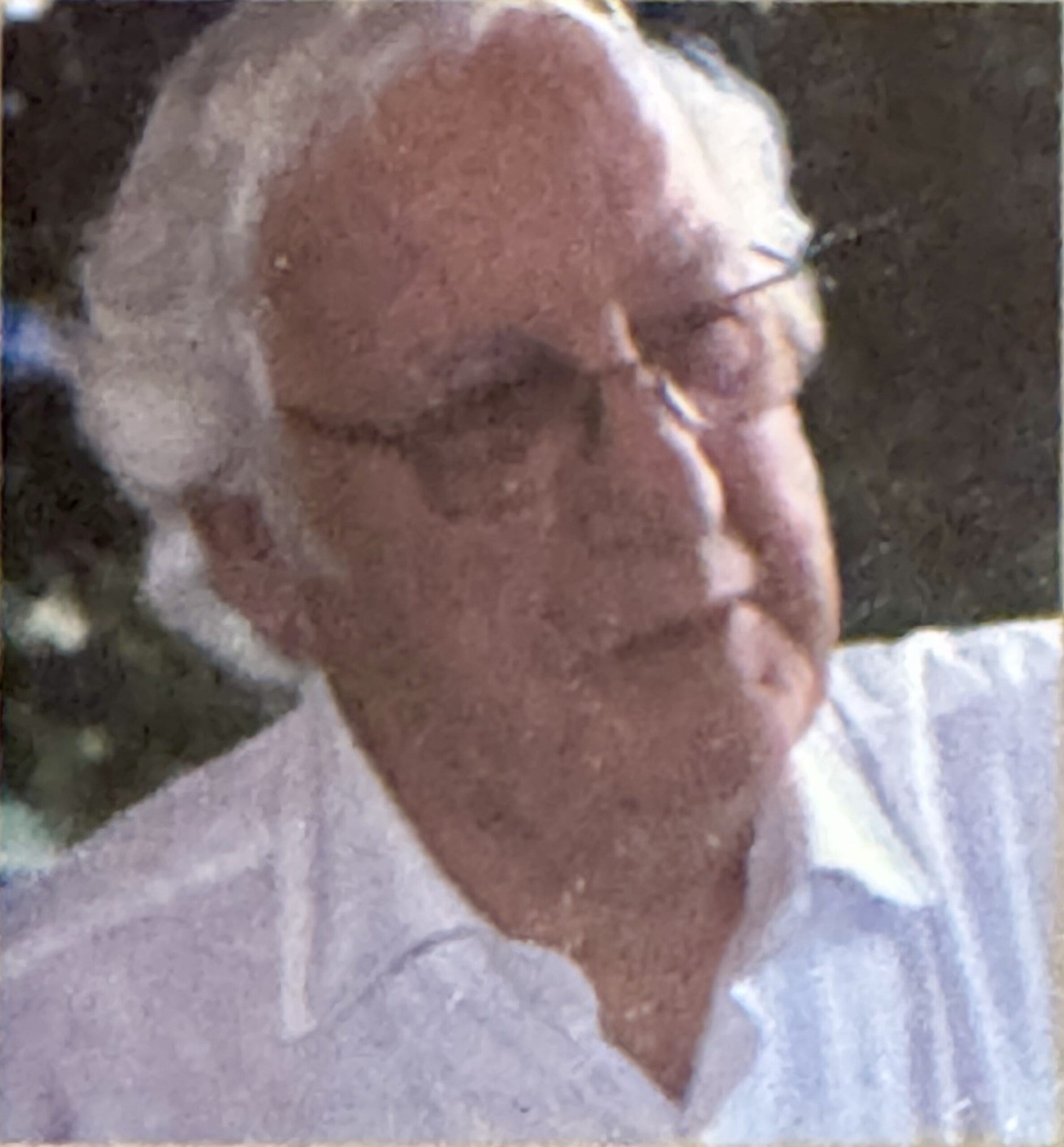
Ray Bilderback
I hadn’t been in the Navy very long when I first heard the advice, “Never volunteer. If you do, you’ll be sorry.” I suppose it applies to the school business as well, but I was taught to be useful and, in a small school, such teachers were valuable.
For better than a decade I coached the Royal Middle School seventh and eighth grade tackle football teams (seventh grade games on Tuesdays, eighth games on Thursdays). We had our ups and downs, but mainly they were ups; that is why they called me the Silver Fox, I suppose.
That aside, one day we got a call from the Kittitas coach. He was short on players (a few players were not eligible due to disciplinary reasons). Could we play an eight-man game? Sure, why not? You just take one player from the backfield and two from the line, and redraw your plays to match.
Turns out, they were short on key players, so when we got a couple of scores ahead, we eased off. Some teams in similar situations will run the score up and tromp on them. I hated that. They were neighbors after all.
One afternoon, I had a team dressed and on the bus, ready to drive to Warden, when an unscheduled team pulled into the gym parking lot.
Oops! The athletic director had us playing two games on the same day and on different fields. Good thing teachers and coaches are flexible. The visiting coach and our assistant coach cobbled together a scrimmage which they would referee themselves. We hustled off to our scheduled game with Warden.
Curious about middle school football as we played it in our league? We used the same 100- yard field as the big guys. Mostly the same rules, but we had eight-minute quarters and a conversion after a touchdown was two points if kicked and one point if run. They were trying to encourage the development of kickers. We did not keep league standings.
One spring, the school couldn’t find anyone to coach the high school track team. I held up my hand to ask a question and, just like that, I was the new track coach. Fortunately, I was always attracted to track and field.
On the boys’ team, we had a good hurdler and a winning shot putter. On the girl’s side we had a sprinter and a strong relay team. We were not going to win a big meet, but those kids needed to compete. That is why I got involved in the first place.
Toward the end of the season, about 30 of us took a trip to the Tri Cities for a meet. It was a nice spring day, a little cool but sunny. That changed drastically on our trip home. We were pushing wind all the way and as we approached the Vernita Bridge across the Columbia River, a stiff wind became a howler. To cross the bridge, we were no longer heading into the wind, we had to expose the full side of the bus to it. Our astute driver, Dorothy Lee, had us roll down the windows on both sides of the bus to reduce our exposure to the wind.
We crossed safely and were faced with a new problem: although Mrs. Lee had filled the bus with fuel while the meet was being held, we did not have enough fuel to make it home. Dorothy called the bus garage and asked for fuel (he’d been wondering where we were).
By now, everybody was longing for home, but instead of complaining, we rolled up our windows and waited it out. Team spirit.
Or maybe they were just used to chaos. Earlier in the season, it being our turn to host a meet, we had arranged to have it on the Othello High School facility.
Schools arrived on time, the weather was cool but sunny, and we got going smoothly. We had finished the hurdles and the short races, and the field events were underway (shotput, long jump, discus) and we were about to announce the distance running events, when the air smelled differently. It was subtle at first, but I didn’t like it. Others noticed it, too. Then way down on the Saddle Mountains there was lightning. I got a mental picture of a kid leading the mile race and getting struck by lightning.
No way! There was a hurried huddle among the coaches and I called the meet over. We got the kids on their buses to wait out the storm front. Wind, lightning, thunder, driving rain – it was obvious, there was no waiting out this one. Soon there was 6 inches of rainwater running in the gutter at the side of our bus.
I don’t remember any further discussion. One by one, the teams just went their separate ways. The only track meet I ever conducted and we had to fold our tents, call it quits.
Come the following spring, I spent my Saturdays fishing or gardening.
Ray Bilderback, creator of the Reuben Braddock novels, was born and raised in the Sierra foothills of California. He served in the U.S. Navy Seabees during the Korean War and taught for many years in the west. He makes his home in the mountains of eastern Washington with his archeologist wife, Madilane Perry. “In the 1930s and 1940s, where I lived, we still used horses and hand tools, canned and preserved what we grew or raised, lit our kerosene lanterns, stoked our woodstoves. In my writing, I draw from those times like water from a sweet well.”
