
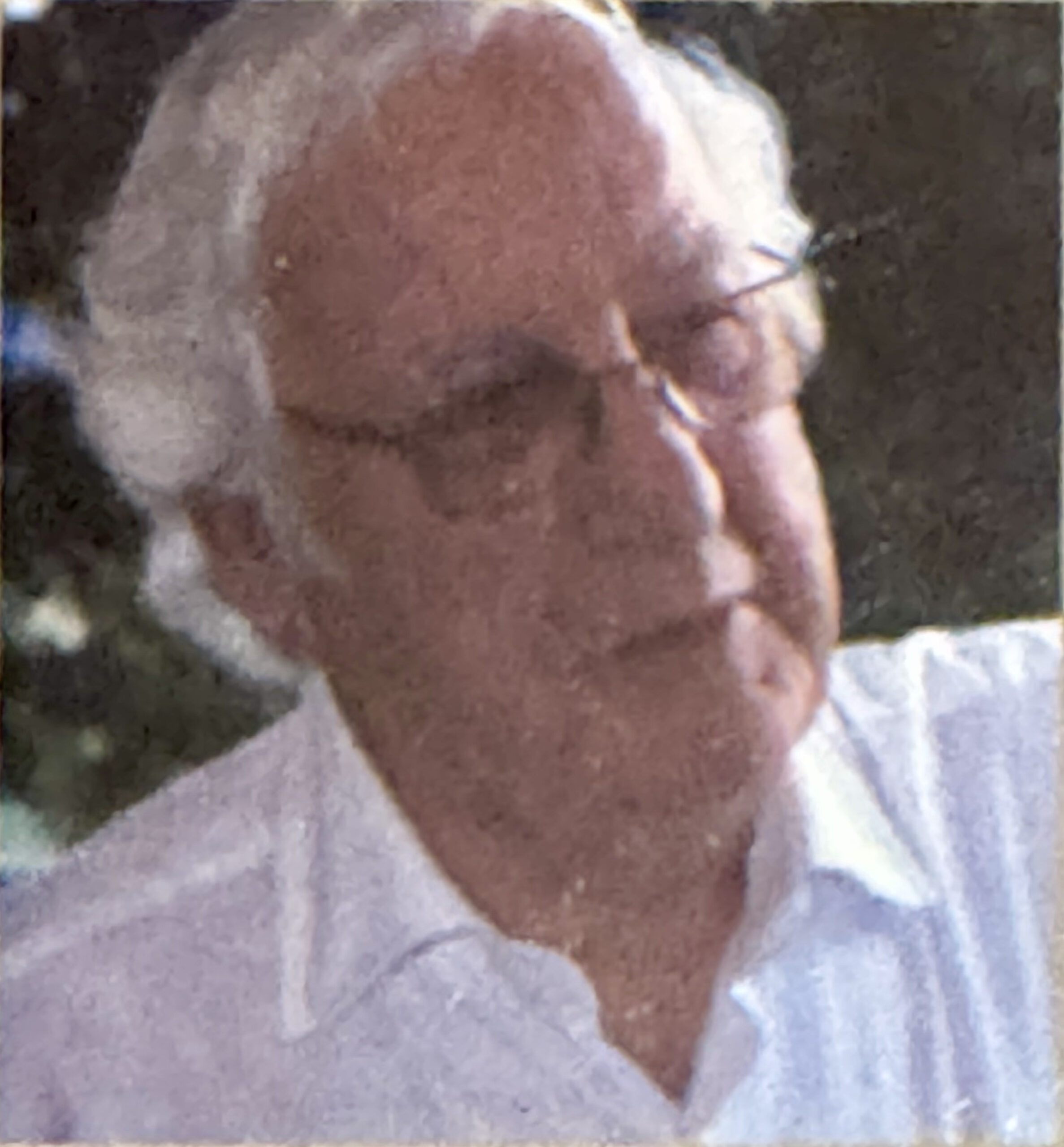
Ray Bilderback
In northeast Washington, there are outdoor activities to spare: skiing, hiking trails, fishing, birdwatching, dog walking, wading or swimming in local lakes. You will add more, I’m sure. Great stuff, but these are weekend activities with adults. Sometimes my grandchildren would ask me, “Grandpa, what did you do when you were a kid?” And they meant, “What did kids do on their own with no adults involved? I explained that we had no organized entertainment except the radio and sometimes, if I was visiting my cousin in the city, a matinee movie at the theater. We would watch some western movies or a whole bunch of cartoons. I preferred the cartoons.
But that was special. Usually after school I would go with a friend to his house and listen to 15-minute radio shows. There were a bunch of them lasting an hour or so. There was Captain Midnight, Terry and the Pirates, and Jack Armstrong the All American Boy. My personal favorite was Henry Aldridge. The program would open with his mother calling, “Henry, Hennnnry Aldridge.” And he would answer, “Coming, mother.” Sounds dippy now, but we would scrunch forward on our chairs because we knew he was in trouble or there was a problem in the neighborhood, and would he solve it before the 15 minutes were up. We were boys and he was a boy. His problems were our problems, and his triumphs were our triumphs.
Such shows were sponsored by breakfast cereals or soft drinks or some other item they hoped kids would press their mom to buy. Some programs had nifty items you could get. I clipped a pair of coupons off cereal boxes, added 10 cents and mailed it in. I got a Captain Midnight decoder ring. It turned my finger green and after a few weeks our attention turned to baseball, but for a while it was the thing. I think of the radio programs as canned entertainment.
That still was not what they meant by, “What did you do?” They meant unorganized activities. I think of them as “our games.” Some of them involved marbles or milk tops (both of these sports involved building up a supply of marbles or the paper stoppers of glass milk bottles because kids usually played “Keeps,” and until you got good at it, you “lost your marbles” or milk stoppers (if that was the game).
Milk tops could be played in the house when the weather was bad. You made a circle on the floor with chalk. Each player would put a stopper in the circle and somebody (I don’t remember how we decided who’d go first) would throw a top at those in the circle, and if he covered a top, he kept both of them. Next kid around the circle tried to do the same. Sometimes you could get two or three tops with one throw. The object was to get an awesome pile of tops. You followed “house rules” and if you came back after lunch they might be different. You had to ask.
Marbles were played outdoors with a circle in the dirt; local rules applied. You had to ask. Marbles may become a lifetime addiction with collections running into the hundreds. Some people collect only glass marbles. My favorites were “Dobies,” because they were handmade and had personality.
Spring was a time of windy days and kites. You went to the five and dime store and bought string and a kite (some assembly required). The string you learned was awkward unless you got a good stout stick and wound the string on it. The string would roll easily off the stick and was easily rewound. We soon learned that a kite was hard to manage until we put a stabilizing tail on it. A few strips from an old pillowcase would do nicely (better ask mom).
Crashes were inevitable so we were good at repairs. Once we learned to repair kites, we were soon making our own versions. You needed tissue paper and balsa wood strips and glue. The five and dime store had supplies. This brings to mind another activity: if you were short of cash, you could collect pop bottles. The grocery store would give you a penny or two for each bottle. Doesn’t seem like much? Twenty-five cents could buy the string you needed with enough left over for Tootsie Rolls.
If you were a kite enthusiast, you were never too old to play. Evenings and weekends some adults would join us on the kiting ground, bringing their own ideas about kite flying.
Sometimes kite flying brought problems because it requires a fairly level area free from power lines and trees. That is where we were apt to congregate to play baseball. To complicate matters, both sports are popular in the spring. Fortunately, the kite flyers and the baseballers were usually the same kids.
Often there were not enough kids for a regular game so we played workup or chose up sides. We played with whatever equipment was available. My father had played for the Alta Mountain Goats so I used his old glove. Baseballs were hard to come by and were often more tape than ball.
Baseball was a good activity because many towns had amateur teams that you could watch and you could listen to games on the radio. Dads often had projects on weekends. Maybe there were lawn chairs that needed repairs and painting. That was a perfect setup. You could listen to a ball game on the radio with your dad and, if things went right, you could help with the painting.
When I was a kid of 6 or 7, we lived at the edge of town for a time near a wooded area with pine and oak trees. Kids in that neighborhood built forts in the brush or flattened grocery boxes to make sleds. I soon joined them. There was a little ravine that we piled high with glossy brown needles. We would slide down into the ravine on our cardboard sleds. Down into the ravine and out again packing our cardboard sleds.
We built forts in the trees or played Tarzan swinging from a rope in the live oak tree.
A fuller account of kids’ pastimes of your grandfather’s youth may be found in Where did you go? Out. What did you do? Nothing. by Robert Paul Smith. It was published in 1957 and may be hard to find. Ask your librarian.
That brings up another subject. People read Mother Goose stories to me when I was small. I remember the book and the neat pictures. But there was a big void. I learned to read alright, but I had no access to a library. There were a few books in the house but nothing for a young reader. I missed out on such books as Treasure Island and Tom Sawyer and other classics. I read them later, but I should have read them when I was a kid.
If you have children or grandchildren, read to them as they grow up. Let them know how much you value reading. How do you do that? Be a regular at your local library. Have books laying around. Talk about books. We have great libraries in our area thanks to North Central Washington Libraries or the Steven County system. Those are the ones I am familiar with. Other areas have good systems as well.
And remember to take some time to do nothing. Take all day if you need it. Make a snow fort. Build a snowman. Count your marbles. Just don’t give in to the winter blues.
Ray Bilderback, creator of the Reuben Braddock novels, was born and raised in the Sierra foothills of California. He served in the U.S. Navy Seabees during the Korean War and taught for many years in the west. He makes his home in the mountains of eastern Washington with his archeologist wife, Madilane Perry. “In the 1930s and 1940s, where I lived, we still used horses and hand tools, canned and preserved what we grew or raised, lit our kerosene lanterns, stoked our woodstoves. In my writing, I draw from those times like water from a sweet well.”