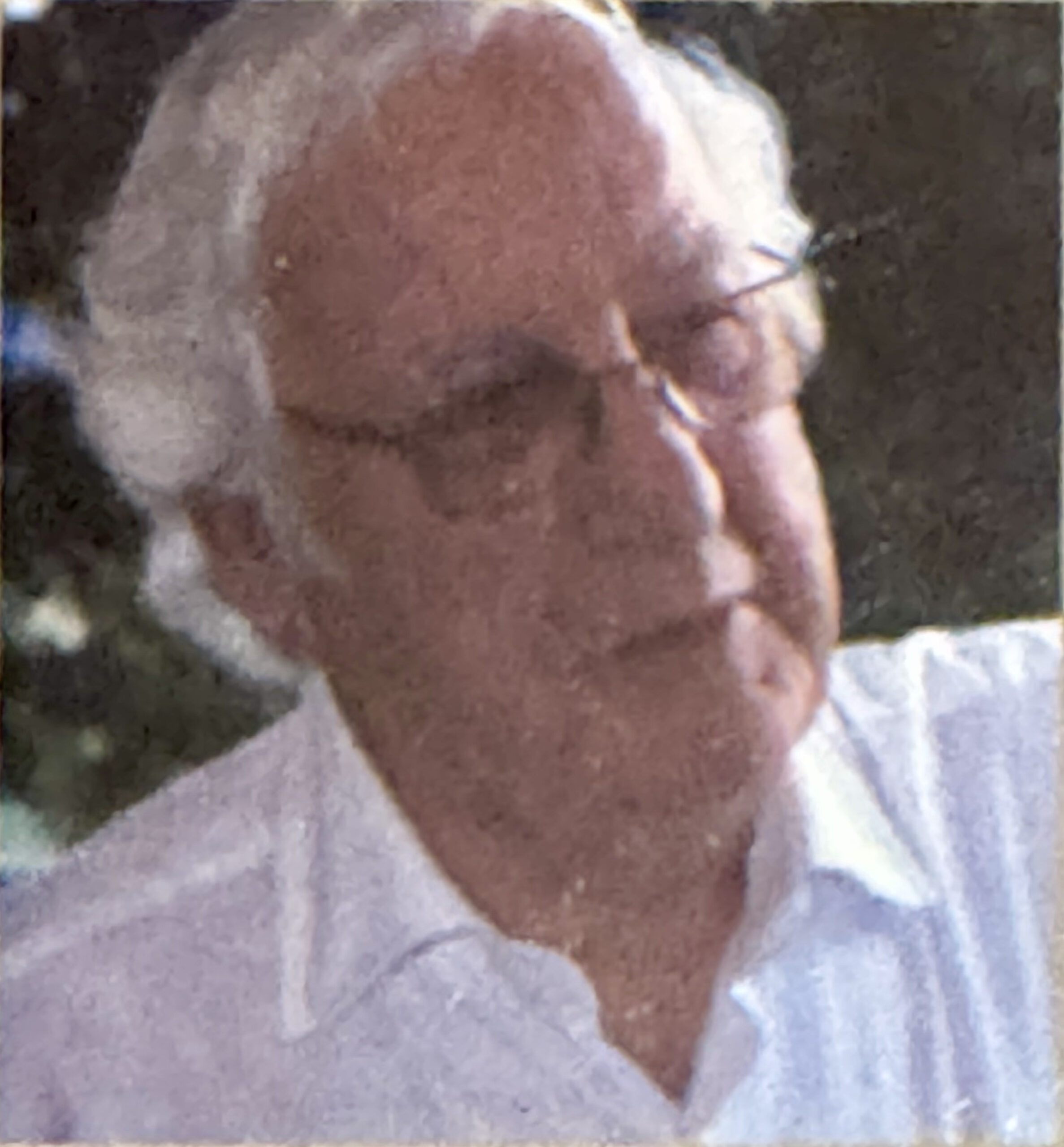
Ray Bilderback
My road trips these days have gotten shorter. Still, come spring, I like to get out and explore this amazing place called Washington state. In this article, I am going to suggest a trip to Ferry County to visit some of its many riches.
These include: Stonerose Fossil Center, The Slagle House, Kaufman cabin, and the Ferry County Museum all in Republic.
A dream trip would have you arriving in Republic on Friday and spending the afternoon hunting fossils. Check in at the Stonerose Fossil Center on Main Street and get an introduction to the art of fossil hunting and a bucket with hunting supplies. For me, a year is not complete without a visit to the diggings. There is nothing quite like the thrill of opening a rock and finding a fossil and knowing that it sat in that rock for about 48 million years until you uncovered it. Wow.
Current regulations at the center allow you to keep three of your fossils. Stonerose staff will help you identify your finds. In some cases, they will want to keep a particular specimen for study. Occasionally, it will be a new species that may be named after you! Stonerose is kid-friendly and wheelchair accessible.
In this plan, you are staying overnight in Republic (three reliable motels to choose from). You will be well-served if you visit the Ferry County Museum opposite the city park where I spent many pleasant hours as a docent. Visit ferrycountyhs. org for open days and hours. Ask to see the Indian exhibit and learn about Ranald McDonald (his gravesite, the smallest state park, is in Ferry County). His story is amazing. The rest of the museum is dedicated to mining history. Expect to receive helpful brochures and a talk about local history.
The northern half of Ferry County was opened to mining claims in 1896 while the southern portion was set aside for the Colville Reservation. Republic is a thriving town today, but it wasn’t always that way. As is true of most mining districts, there was a boom and bust. Even though the area suffered a decline, Republic held onto key businesses: hardware, grocery, and pharmacy. For more than 100 years, the Slagle family kept the pharmacy alive. The JW & E Slagle House has been given to the Ferry County Historical Society. It remains just the way it was a century ago. For a guided tour (admission by donation), check the Ferry County Museum for days and hours.
Nearby, five-mile-long Curlew Lake has two resorts on the west side that connect with the non-motorized Rail Trail. On the east side of the lake is the beautiful state park and Fisherman’s Cove. For any of these places, I suggest you call ahead.
Heading north on State Highway 21 toward Curlew and the border with Canada, you pass the Husky Car and Truck Museum. Along with a great collection of cars, trucks, and fire engines is a complete antique, steam-operated sawmill (they don’t run it these days for fear the boiler will blow up).
The Husky Car and Truck Museum is open 11 a.m. to 5 p.m., Saturdays and Sundays, from Memorial Day to Labor Day. Admission is by donation. It is kid-friendly and wheelchair accessible.
Perhaps the crown jewel of your trip will be the historic Ansorge Hotel in the nearby town of Curlew. Its construction in 1903 coincided with the entrance of the Great Northern Railroad into Ferry County. On the National Historic Register, it is the only old hotel existing in Ferry County. The others fell victim to various fires.
The main floor contains a lobby complete with a barber’s chair and the original hotel registry. Ask to see Henry Ford’s signature. He stayed at the Ansorge on an early visit to Ferry County. Rumor has it that his lawyers asked him to be “out of touch” while they handled a legal matter.
Owners Luella Burns and Richard and Gladys Lembke donated the hotel to the Kettle River History Club, who renovated it. It has most of its original furnishings, a complete kitchen, pictures and memorabilia of 100 years ago.
I hope you have a grand time. Did I mention the quiet? We have a lot of it.
Ray Bilderback, creator of the Reuben Braddock novels, was born and raised in the Sierra foothills of California. He served in the U.S. Navy Seabees during the Korean War and taught for many years in the west. He makes his home in the mountains of eastern Washington with his archeologist wife, Madilane Perry. “In the 1930s and 1940s, where I lived, we still used horses and hand tools, canned and preserved what we grew or raised, lit our kerosene lanterns, stoked our woodstoves. In my writing, I draw from those times like water from a sweet well.”