
Mocktail
By Cassie Patten
Happy Prohibition Month…not! This month not only marks a new chapter and a new year, but this month also marks the 106th anniversary of the ratification of the 18th amendment, making alcohol illegal nationwide. The dry spell ended in 1933 with the ratification of the 21st amendment.
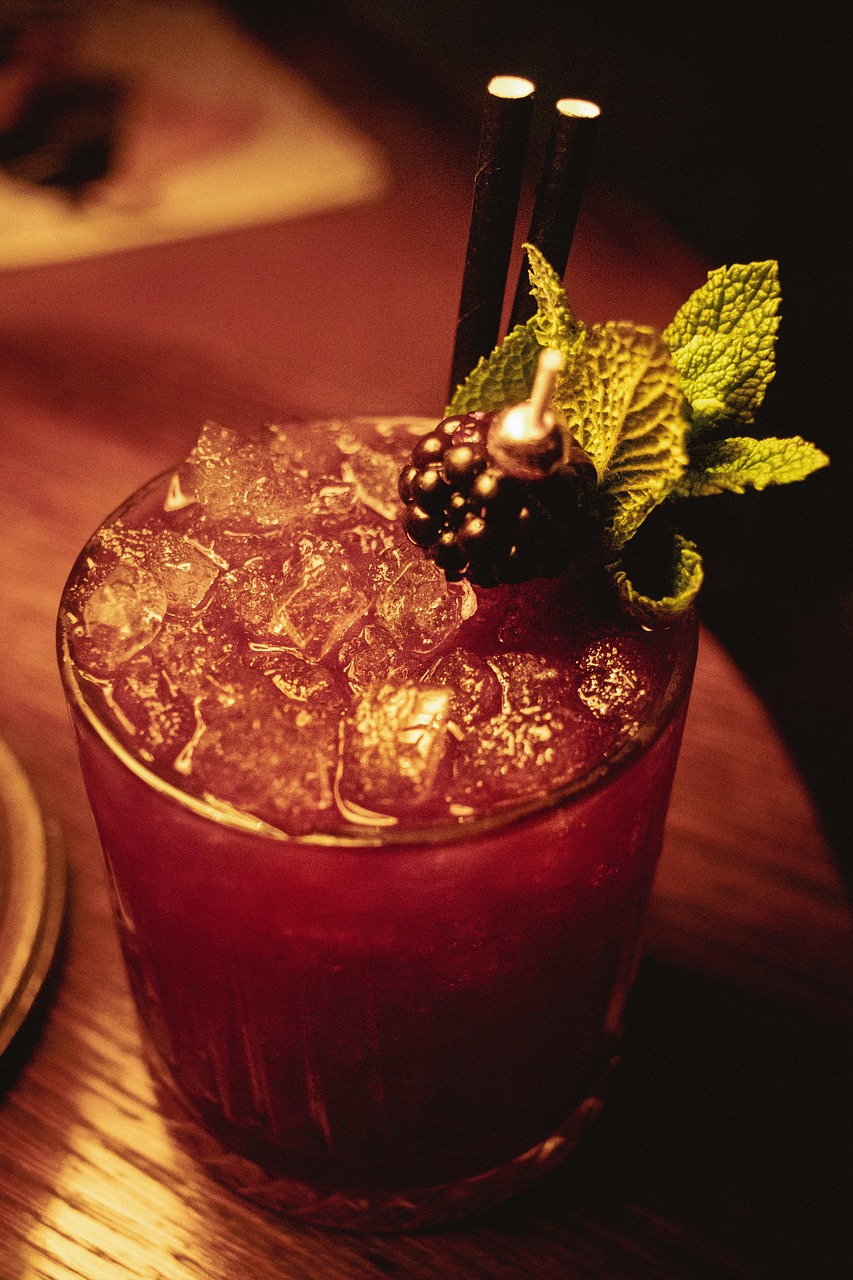
Inquiring minds can’t help but wonder if this is how the mocktail, also known as a virgin cocktail, came to be? For those that don’t know, a mocktail is a fruity drink mixed with a wide variety of syrupy bases to mimic an alcoholic drink. One example is the famous Shirley Temple and its often repeated, although unconfirmed story of invention: The child actress, Shirley Temple, was dining at a restaurant with her parents. As Shirley’s parents were having an Old Fashioned, Shirley started to get a bit antsy and short-tempered, since she was not old enough at the time to indulge in alcoholic beverages. So, in order to pre-empt the starlet’s little temper, the waitress came up with a drink that looked somewhat similar. The Shirley Temple consists of ginger ale and grenadine, topped off with maraschino cherries. Another popular drink is the Italian Soda, often served at coffee stands today, made with club soda, half-and-half, and any choice of flavored syrup.
While non-alcoholic mixed drinks were a popular option during prohibition, non-alcoholic fruit drinks have existed for centuries, particularly in the Middle East, where beverages such as sharbat – made from fruit juice and water – were popular. During the middle-ages, physicians elaborated on the mocktail, where they would begin to incorporate spices and herbs, to make a non-alcoholic tonic. The purpose of the tonic was to help alleviate various ailments, and the tonics were often referred to as temperance drinks, which some credit as the foundational beverage for modern mocktails.
When we finally made our way to the 19th century, about two decades before prohibition would be signed into law, Protestants, along with women’s rights advocates, labor reformers and public health advocates started, the temperance movement, which would go on long after prohibition was ceased. Protestants believed alcohol was to blame for societal problems such as unemployment, crime, poverty, and domestic violence, and they hoped this movement would help people to drop the bottle and turn their lives over to the divine. In the final few years of prohibition, members of the Women’s Christian Temperance Union published recipe collections promoting non-alcoholic drinks such as “Prohibition Punches,” in hopes of making prohibition cool.
Today, mocktails can serve as a way to feel comfortable during social gatherings where some may be drinking alcohol, without drawing attention to those that are not. Mocktails can also be helpful to recovering addicts, and for others, it is simply a tasty treat.
Cassie Patton, born and raised in Washington state, says she has always enjoyed writing about any topic possible. When not actively writing, she can be found baking up a sweet treat or watching football.