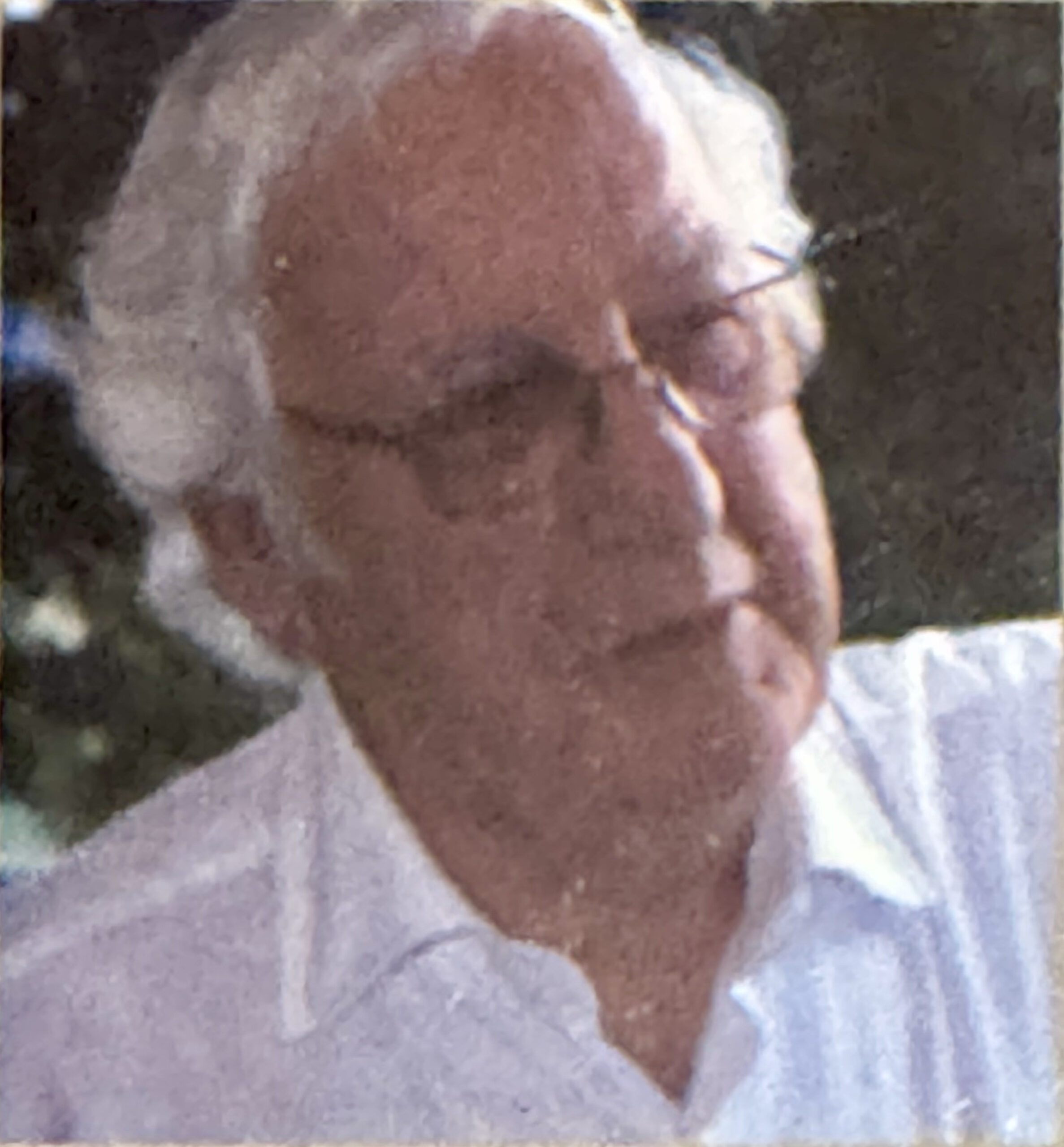
Ray Bilderback
The last 10 years or so have seen the growth of an industry, namely storage units. They pop up like toadstools after a rain. I got curious and a bit careless in my thinking, I suppose. I was blaming other people for the phenomenon Couldn’t they curb their impulse buying? Seemed wasteful. Those resources (the lumber, roofing, locks, concrete and so on required to build the storage units) could find better use elsewhere.
I had visions of duplexes with happy children playing in the yard or “little houses” for senior citizens on quiet, winding, tree-lined streets. That, I figured, was the way to use those resources.
Collecting: to systematically seek and acquire, especially as a hobby
People collect pretty rocks, fossils, old bottles, books, paintings, slot machines, cars, and so on. Some of the collections can get awfully large. Those of us who watch the TV show “American Pickers” have seen collections that take up several acres of sheds, houses, and warehouses.
They have massive storage problems.
Sometimes they are asked why they do it. They say it’s an investment, or they want people to remember life as it used to be. Some just collect because they like the stuff.
For them it’s a hobby. For most of us, it is a problem storing the stuff. A problem I have had most of my life.
Sometimes the collecting turns sour and becomes hoarding. We’ve all heard stories of people who buy a house from an old person and, in the course of remodeling, a cache of coins is discovered in the walls (it recently happened in Republic, Wash.). Did the collector forget they were there? Was he collecting or hoarding them? We know he wasn’t archiving; that’s what they do at the Smithsonian.
My neighbor down in wheat country hid his coin collection from the family. He would stock up on numismatics when their harvest check arrived. Sometimes he would get out his collection after the family retired for the night and add new coins to it or just admire it. Good thing a daughter caught him stashing the hoard. They got one check a year from the wheat harvest and they were not a wealthy family. By definition, he was hoarding.
Hoarding: to accumulate more than one’s current requirement of food, etc., in a time of scarcity
Hoarding got a bad name when World War II came along. We were so busy trying to provide food for our troops and also for our friends in Europe who were fighting the German menace that we shamed anyone setting canned goods aside for future use. It was not considered patriotic. We were on short rations and living within the bounds of our ration book and we expected others to do the same. But there is always someone selling illegal goods and someone willing to buy the same.
Back to the storage question: way back when I just got out of the Navy, my paternal grandfather was still living in the old place (a small cattle outfit with pasture and hay ground). In the house there were family pictures and letters going back to the California gold rush. There was also a gun collection that had Great-Grandfather’s rifle that he packed across the plains in ’52. I knew those things needed to be saved, but I was going to college and had no way to solve the problem. To make things worse, I was a grandchild and felt I had no right to the relics anyway.
Then we had a fire that burned down the house and the blacksmith shop. I should have felt relieved. The problem, how to store the relics, had been solved. They were irretrievably gone. So why do I fret some 70 years later?
Eventually, I got my father involved. We saved the blacksmith anvil and a few tools, but the bellows and the structure were gone. It had served the farm and community during the horse and buggy days and maybe that was enough.
When you are downsizing or moving into a “little house” what to store and what to save is a constant problem. Your life-long collection of books and family heirlooms that you have been saving to hand down to a younger generation can be a problem as well. Often a younger generation is also living in tight quarters, the collection of books you prized may be too large for their bookshelves, the books may not suit them or they may have a problem (have no shelf room because they can’t get past a bookstore).
I found a way to prune my book collection; I have been giving books as Christmas presents. It is fun trying to match a person with a book (or vase, fly rod or, in some cases, cash. Twenty-dollar bills make good bookmarks). Gradually, I’m getting a little clear space in my own shelves. But, you guessed it, I can’t get past a bookstore without going in.
It’s fall and time to give the yard a little attention: mow the lawn, give it and the trees a good soaking, roll up the hoses and put them away, and find room to store the new wheelbarrow and the lawn furniture. Good thing there is still room in the storage unit.
Ray Bilderback, creator of the Reuben Braddock novels, was born and raised in the Sierra foothills of California. He served in the U.S. Navy Seabees during the Korean War and taught for many years in the west. He makes his home in the mountains of eastern Washington with his archeologist wife, Madilane Perry. “In the 1930s and 1940s, where I lived, we still used horses and hand tools, canned and preserved what we grew or raised, lit our kerosene lanterns, stoked our woodstoves. In my writing, I draw from those times like water from a sweet well.”